
 V

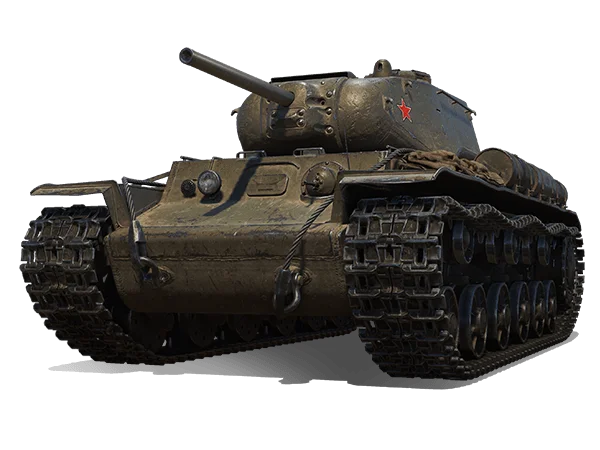
KV-1SA
The KV-1SA, a tier V premium U.S.S.R. heavy tank: its 3D model and photo mode, its armor with hull down and Optimize angling, its characteristics and modules, and the damage its marks of excellence need on EU, NA and ASIA.
Marks of excellence
Combined damage needed · 17 Nov 2026| Server |  1st mark65% |  2nd mark85% |  3rd mark95% | 100%the best |
|---|---|---|---|---|
| EU | 6947 d +8 | 1,0337 d +10 | 1,3057 d +11 | 1,5357 d +12 |
| NA | 7877 d −3 | 1,1787 d +4 | 1,5067 d +21 | 1,7527 d +31 |
| ASIA | 8147 d +5 | 1,1907 d −15 | 1,4957 d −30 | 1,7637 d −37 |
Mastery
Experience needed · 17 Nov 2026| Server |  3rd Classtop 50% |  2nd Classtop 20% |  1st Classtop 5% |  Ace Tankertop 1% |
|---|---|---|---|---|
| EU | 4017 d −5 | 6707 d −9 | 9837 d −11 | 1,2687 d −7 |
| NA | 4597 d +12 | 7757 d ±0 | 1,1687 d +61 | 1,4097 d +52 |
| ASIA | 4737 d +14 | 7747 d −22 | 1,1437 d −14 | 1,4367 d +32 |
Historical reference
Starting in 1941, G. V. Barabash, a professor from the Academy of the WPRA Mechanization and Motorization Program, developed at least 5 variations of mechanized loading systems for Soviet combat vehicles. In July 1943, he proposed his most advanced option for shell loading, which could load 12–18 shells per minute and would be based on the KV-1S. The tank received an improved turret with two hatches on the side to load the shells and an improved rear recess that stored ammunition. Shells were also located in a mechanized rack at the bottom of the fighting compartment, under the gun. Since the mechanism was not fully automatic, a loader was still needed as part of the crew. Red Army GABTU representatives rejected the engineer's suggestions without even bothering to test the mechanism, and by early 1944, the mechanism for 76.2 mm guns was no longer relevant. After the war, G. V. Barabash managed to secure the copyright for several of his suggestions. Later, his ideas were likely considered by the design collectives that created loading mechanisms for Soviet tanks in the 1950–60s.